
Body Acne: More Than Just a Spot
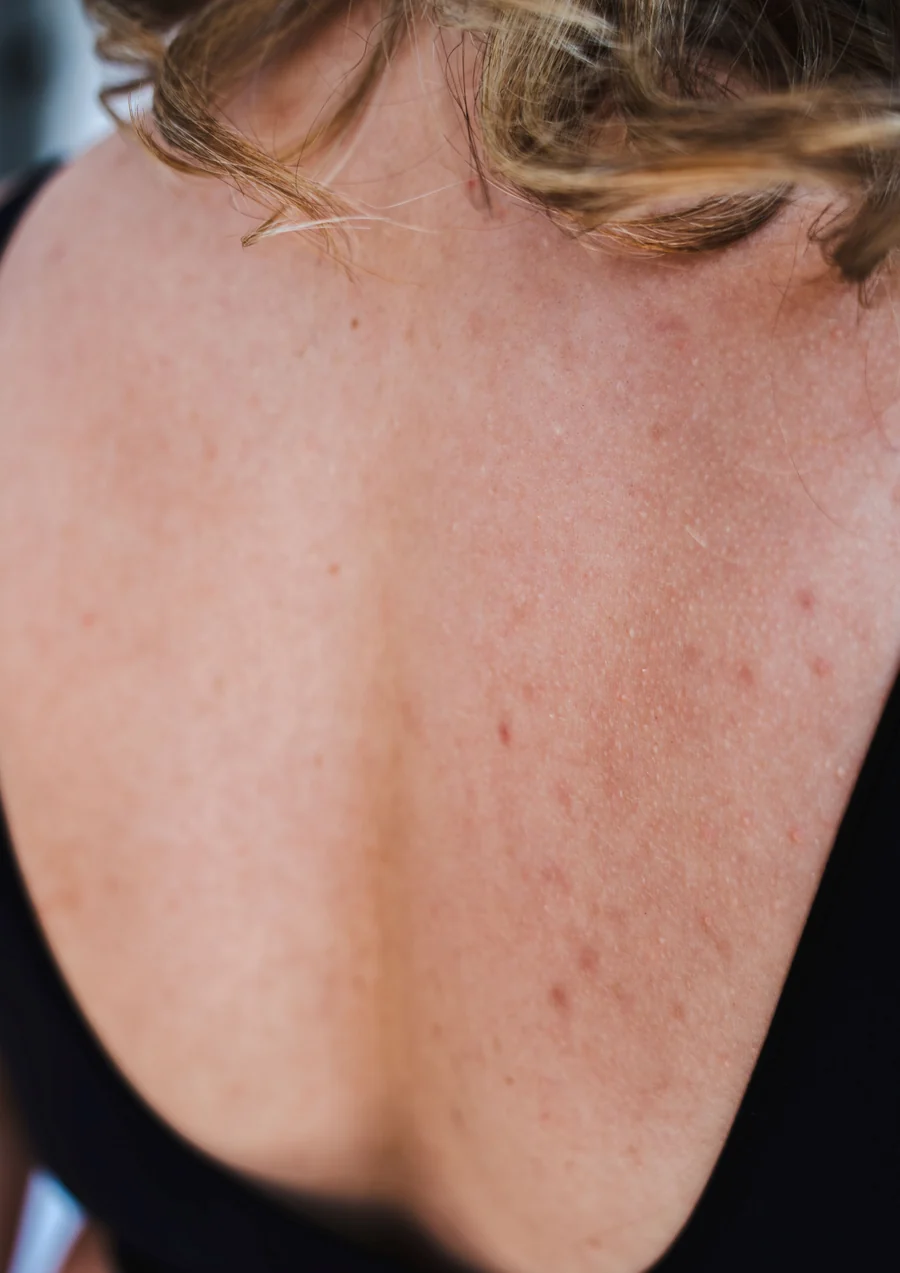
Body acne occurs when hair follicles get clogged with sebum and dead skin cells. This can lead to blackheads, pimples, and inflammation. You mostly see body acne on the back, chest and shoulders, but it can also appear on other body parts.
How to recognise body acne
Body acne can look different. From tiny blackheads to red pimples and painful, deep bumps. Here are four common signs.
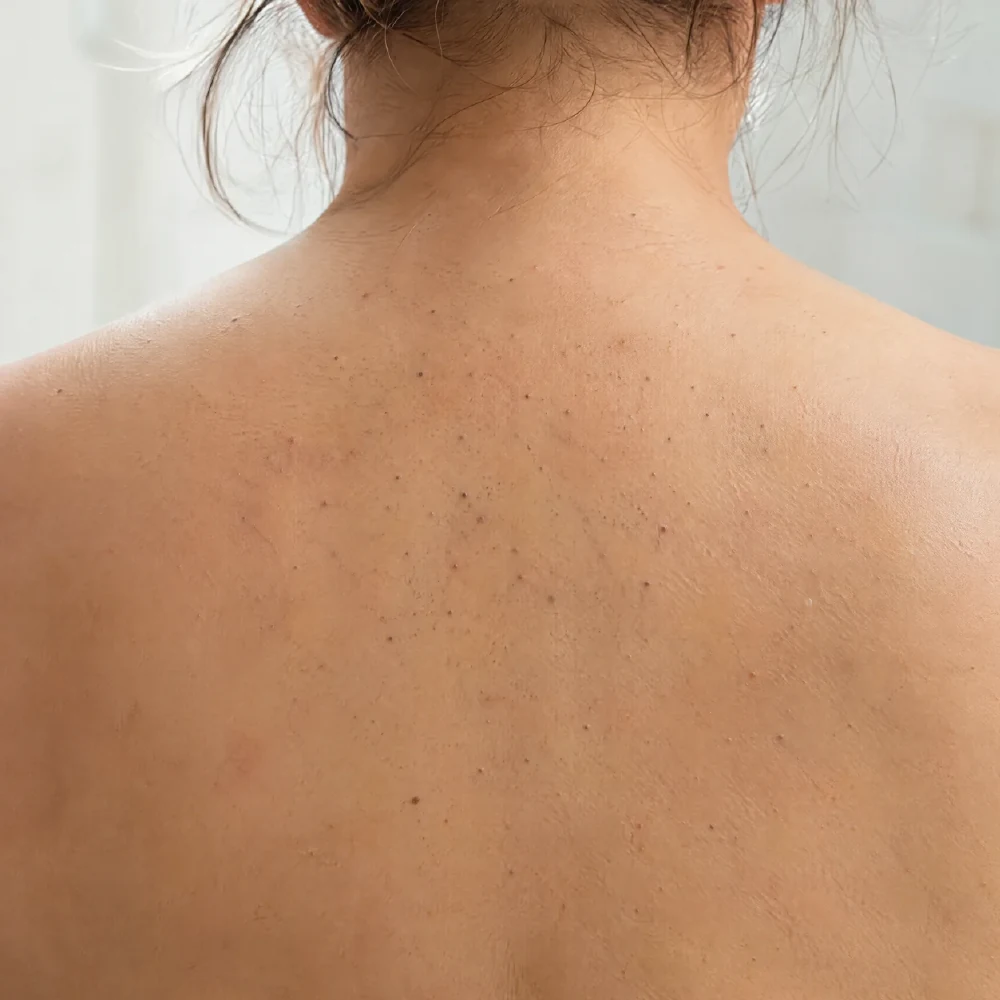
Blackheads
Small, blocked pores with black or white tips.
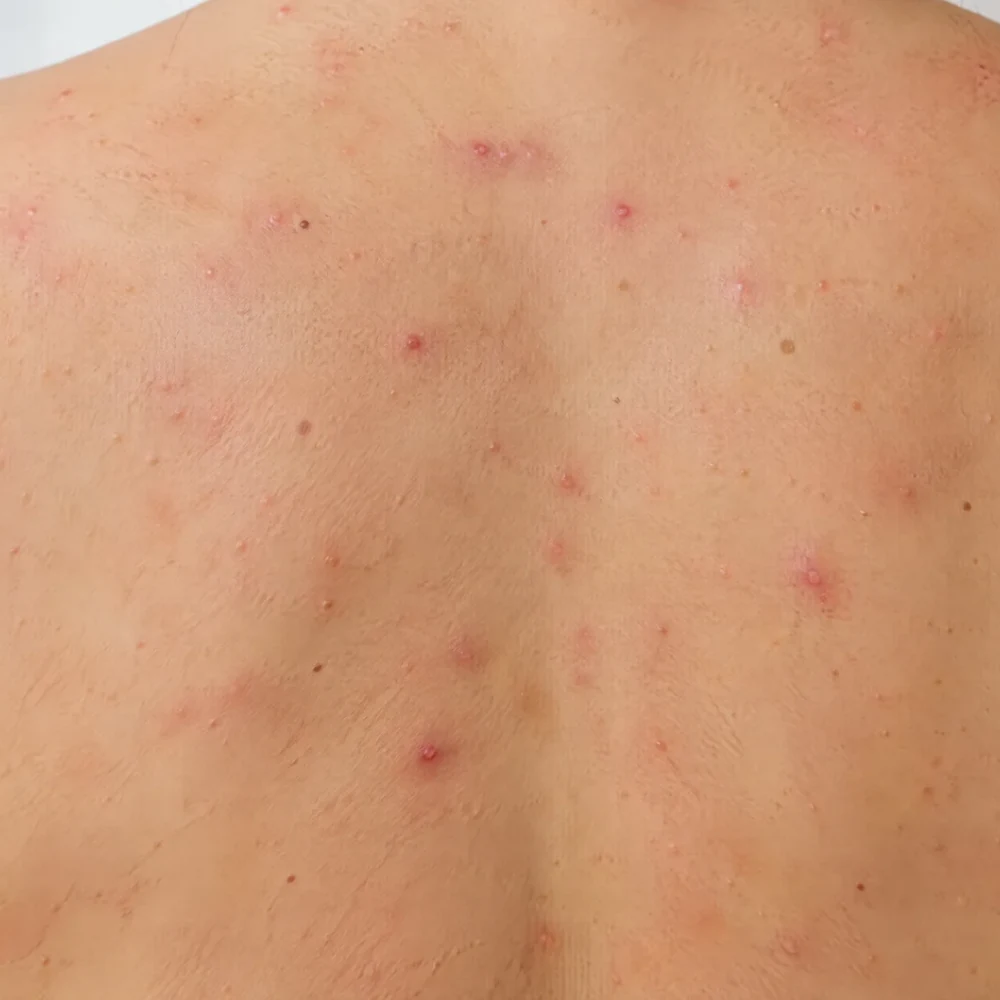
Red spots
Red or discoloured, sometimes tender bumps caused by skin inflammation.
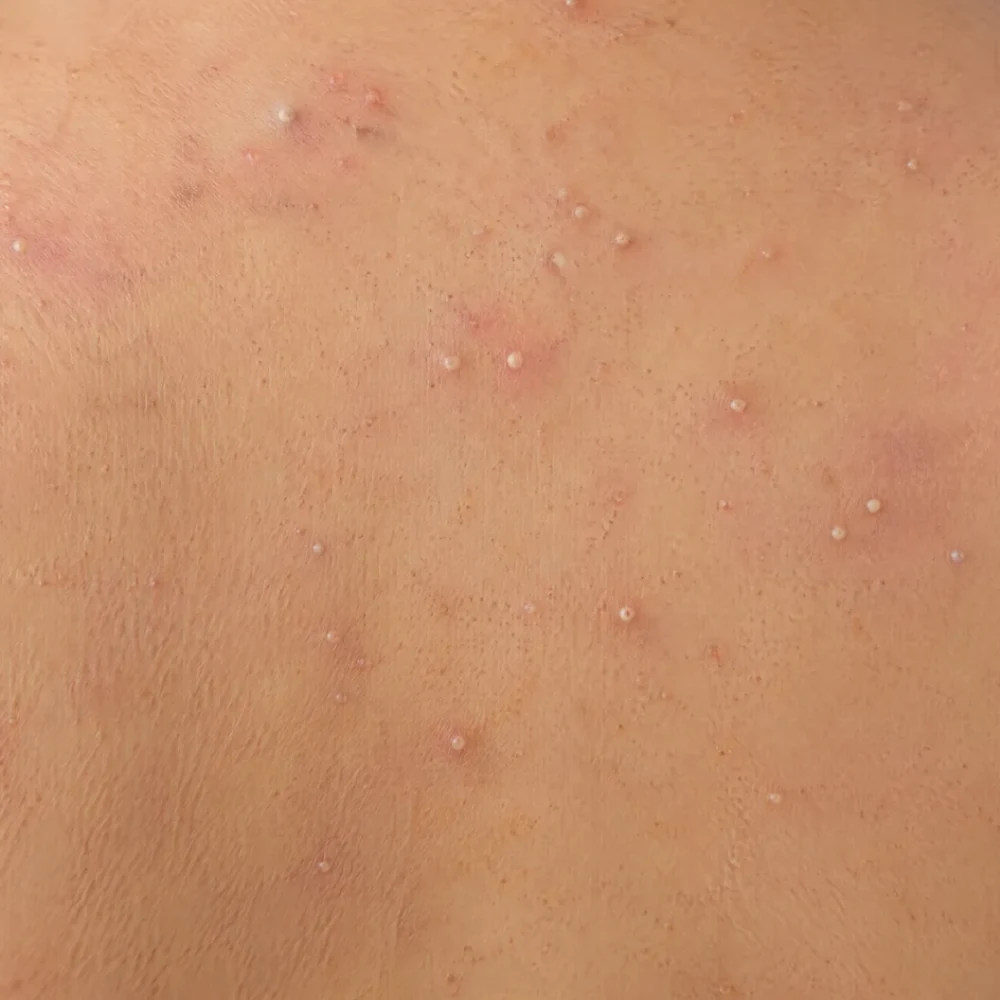
Whiteheads
Inflamed pimples with a visible white or yellow head.
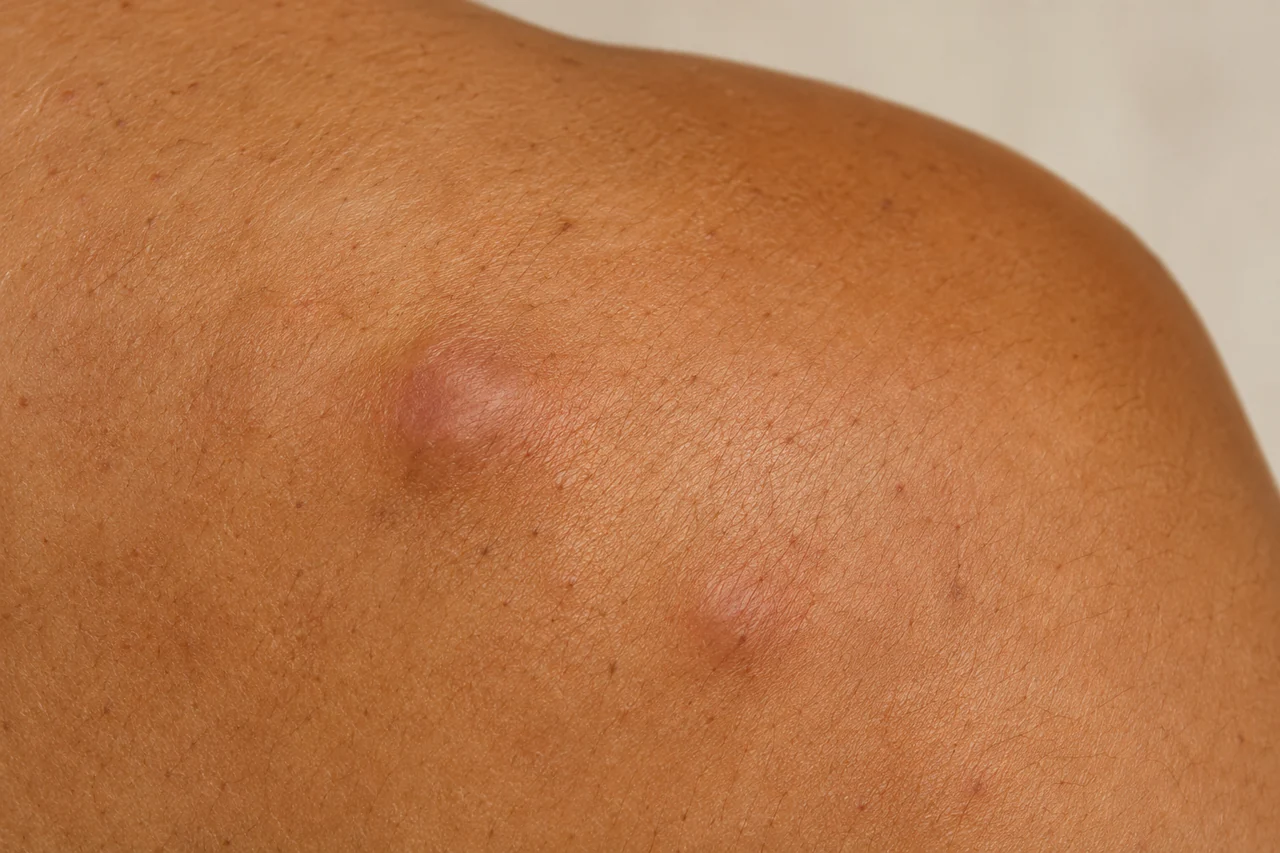
Deep bumps
Deeper inflammations that may be sensitive or painful.
How Does Body Acne Develop?
Body acne usually develops due to several factors combined. Sebum and dead skin cells can clog hair follicles, leading to inflammation. Hormones can affect sebum production. Also, sweat, friction and certain skincare products can worsen existing problems.
Excess Sebum
Your skin naturally produces sebum. When production increases, hair follicles are more prone to clogging.
Dead Skin Cells
Dead skin cells can build up and block hair follicles along with sebum.
Bacteria and Inflammation
Bacteria like Cutibacterium acnes can contribute to inflammation in clogged hair follicles.
External Factors
Sweat, friction and buildup of certain product residues can irritate the skin or worsen acne issues.
Is it really acne?
Not every bump on your body is acne. Some skin problems look similar but have different causes.
Keratosis pilaris (KP)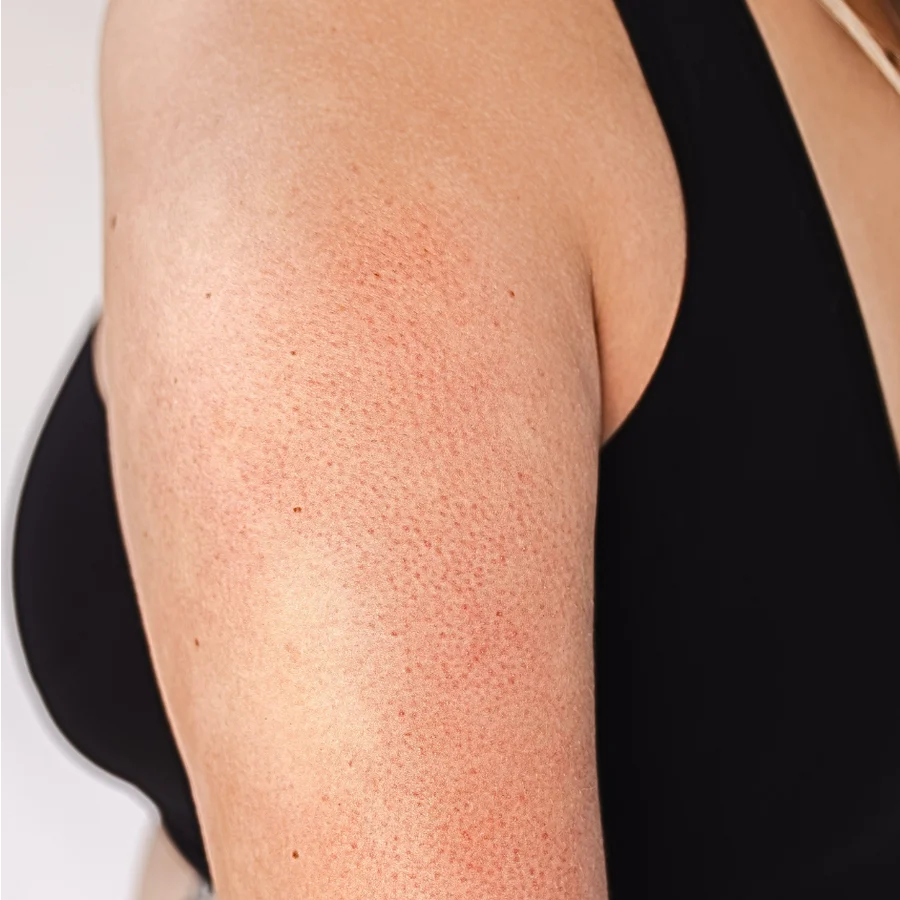
Keratosis pilaris is recognised by small, rough bumps often found on the upper arms, thighs and buttocks. It’s caused by a buildup of keratin around hair follicles. Unlike acne, there are usually no blackheads or white-headed pimples. The skin often feels dry and grainy.
All about keratosis pilarisStrawberry legs & shaving irritation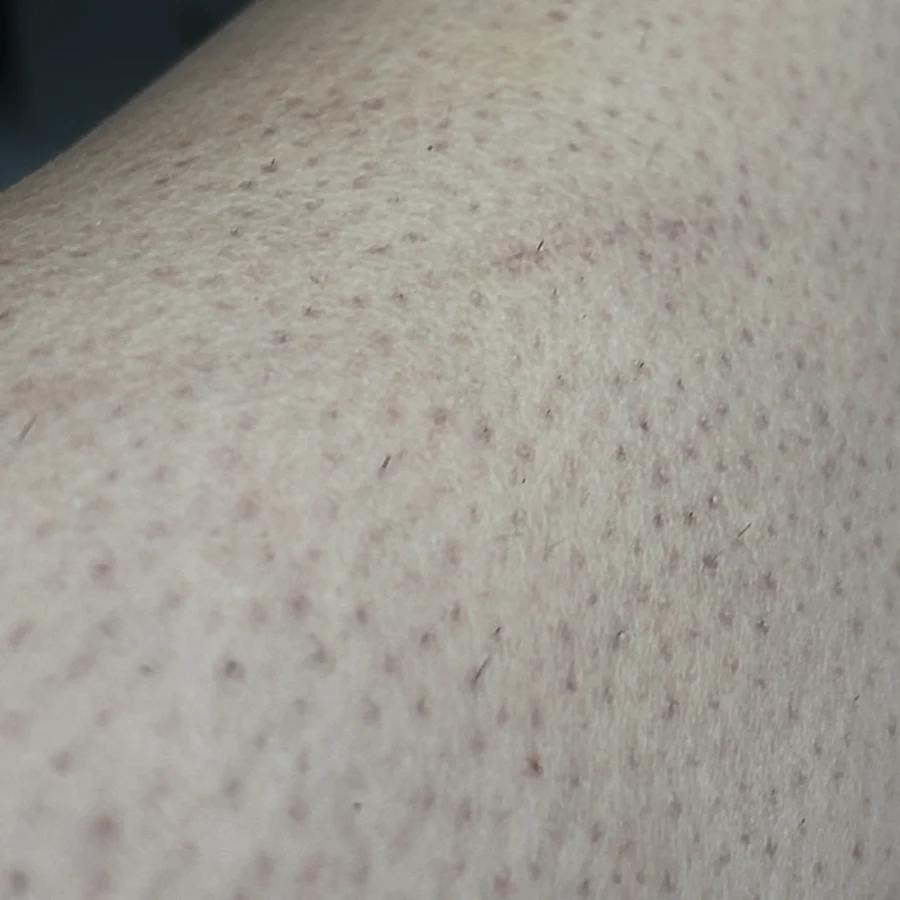
Razor bumps usually occur when shaved hairs grow back into the skin. This can cause red, sensitive or itchy bumps. Friction during shaving can also irritate the skin. Razor bumps typically appear where you shave, such as the legs, underarms and bikini line.
All about strawberry legs & shaving irritationWhat helps with acne on the body?
Body acne often requires a gentle, consistent approach. With suitable care and daily habits, you can reduce irritation and support your skin.
What helps?
Cleanse gently
Use a soft, fragrance-free cleanser with lukewarm water. Salicylic acid can help reduce clogged pores.
Exfoliate gently
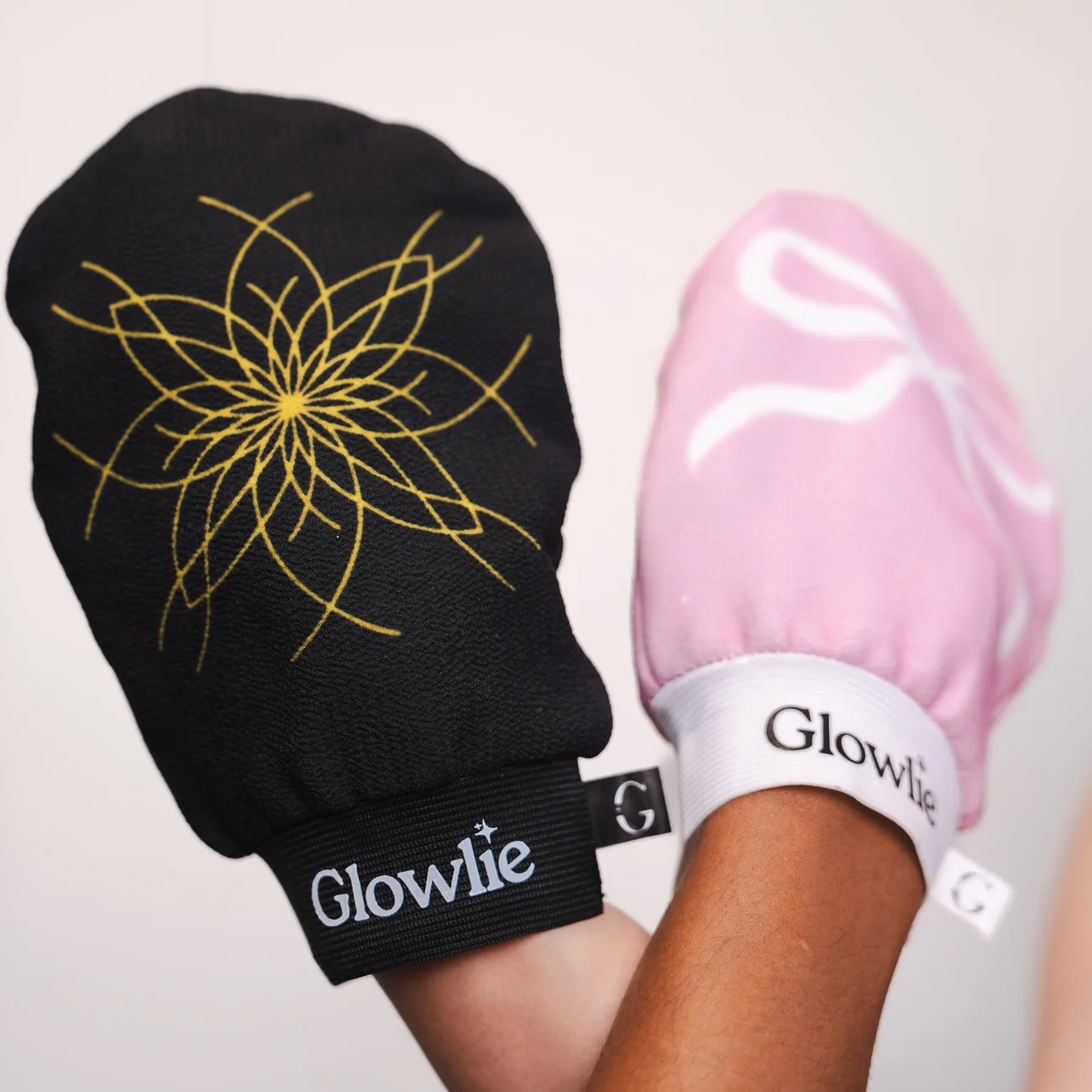
A gentle exfoliation with the Glowlie Backscrubber helps remove surface dead skin cells. Avoid active, inflamed pimples.
Shower after exercising
Rinse off sweat and put on clean clothes to limit prolonged contact with sweat.
Wear breathable clothing
Choose loose, breathable clothes, especially when exercising. Friction can worsen existing acne.
Choose appropriate care
Use non-comedogenic products. For acne, a benzoyl peroxide treatment may help; ask your pharmacist for advice if needed.
What should you avoid?
Avoid harsh scrubbing
Rubbing can irritate and worsen inflamed acne.
Squeezing pimples
This can worsen inflammation and cause scarring.
Irritating products
Avoid perfume and drying alcohol in products if your skin is sensitive to them.
Pore-clogging products
Avoid heavy skin and hair products that cause pimples for you.
How can exfoliating help?
Exfoliating removes dead skin cells from the surface and can make your skin feel smoother. But not every skin benefits from the same method. Especially with active, inflamed acne, caution is needed: abrasive exfoliation can irritate the skin.
Without exfoliation
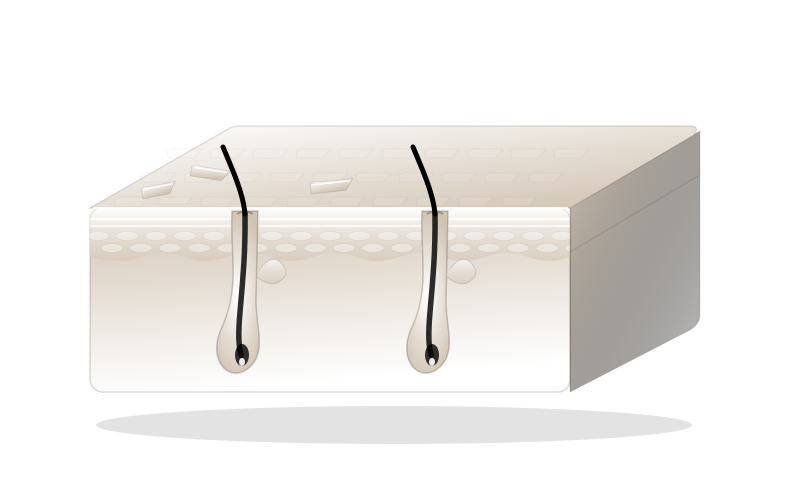
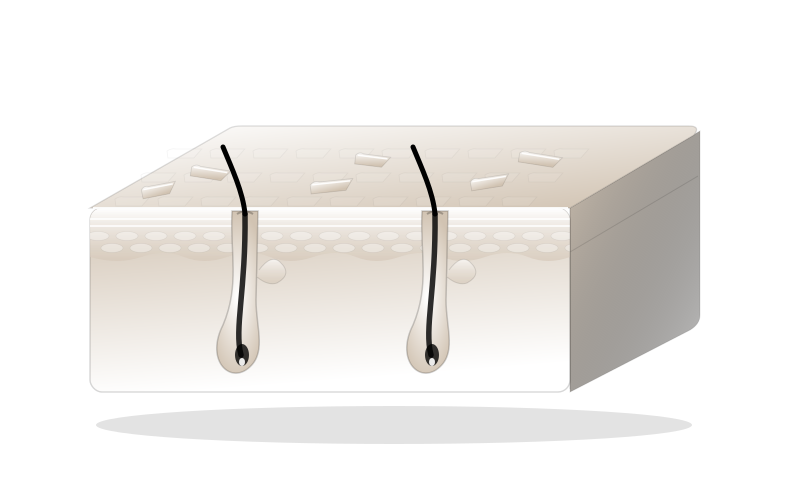
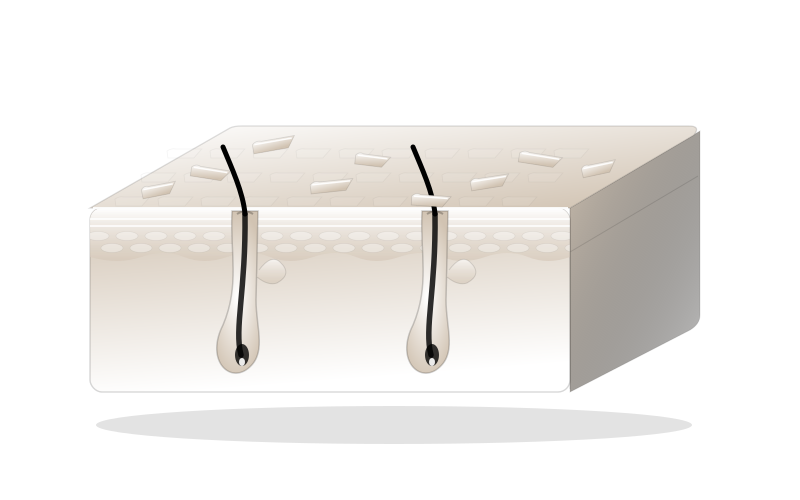
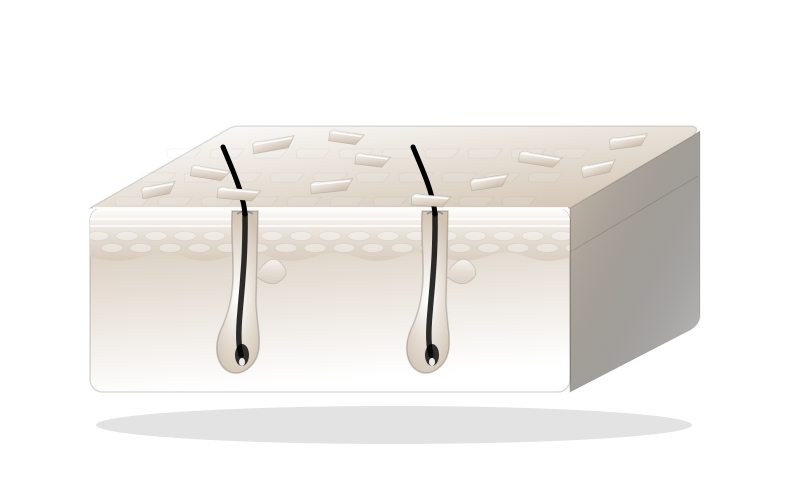
With gentle exfoliation
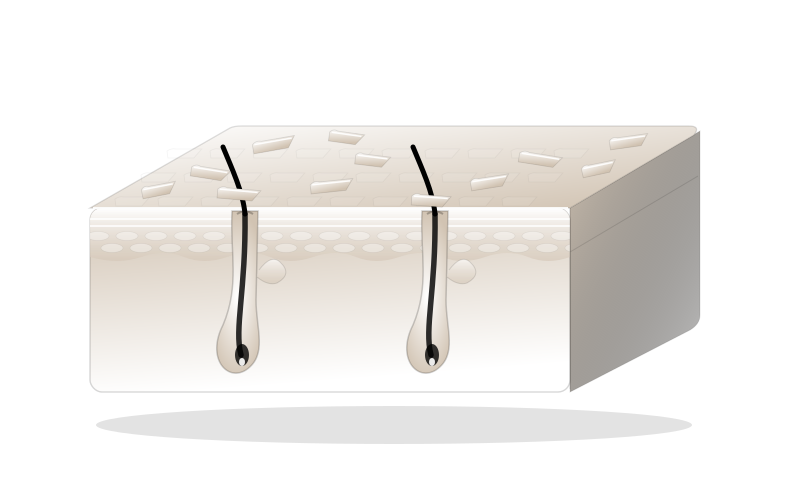
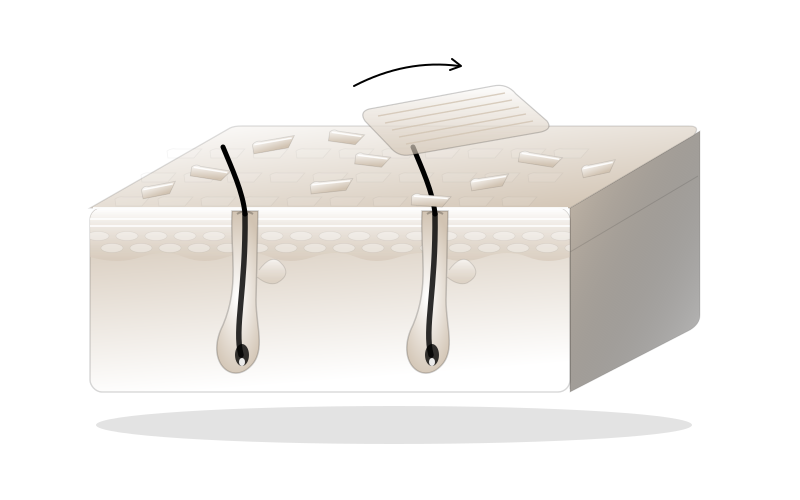
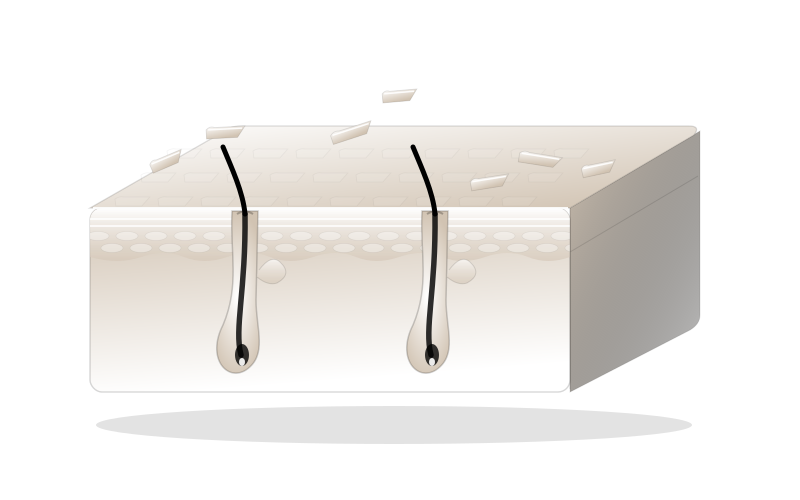
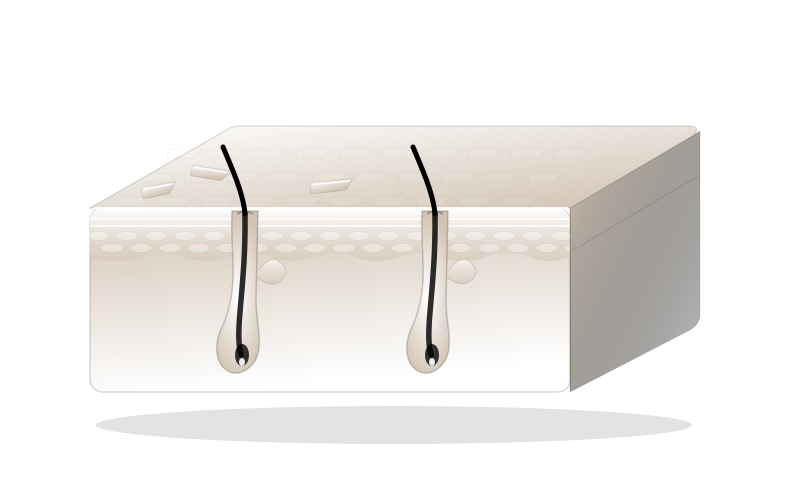
Removes dead skin cells
Helps loosen superficial, built-up skin cells.
A smoother skin feel
Can make the skin feel softer and smoother.
Part of a suitable routine
Gentle exfoliation may suit some skin types, provided the skin is not irritated or inflamed.
Exfoliate your body from head to toe
Two tools for removing superficial dead skin cells on calm, intact skin. For legs and arms, or hard-to-reach areas such as your back.
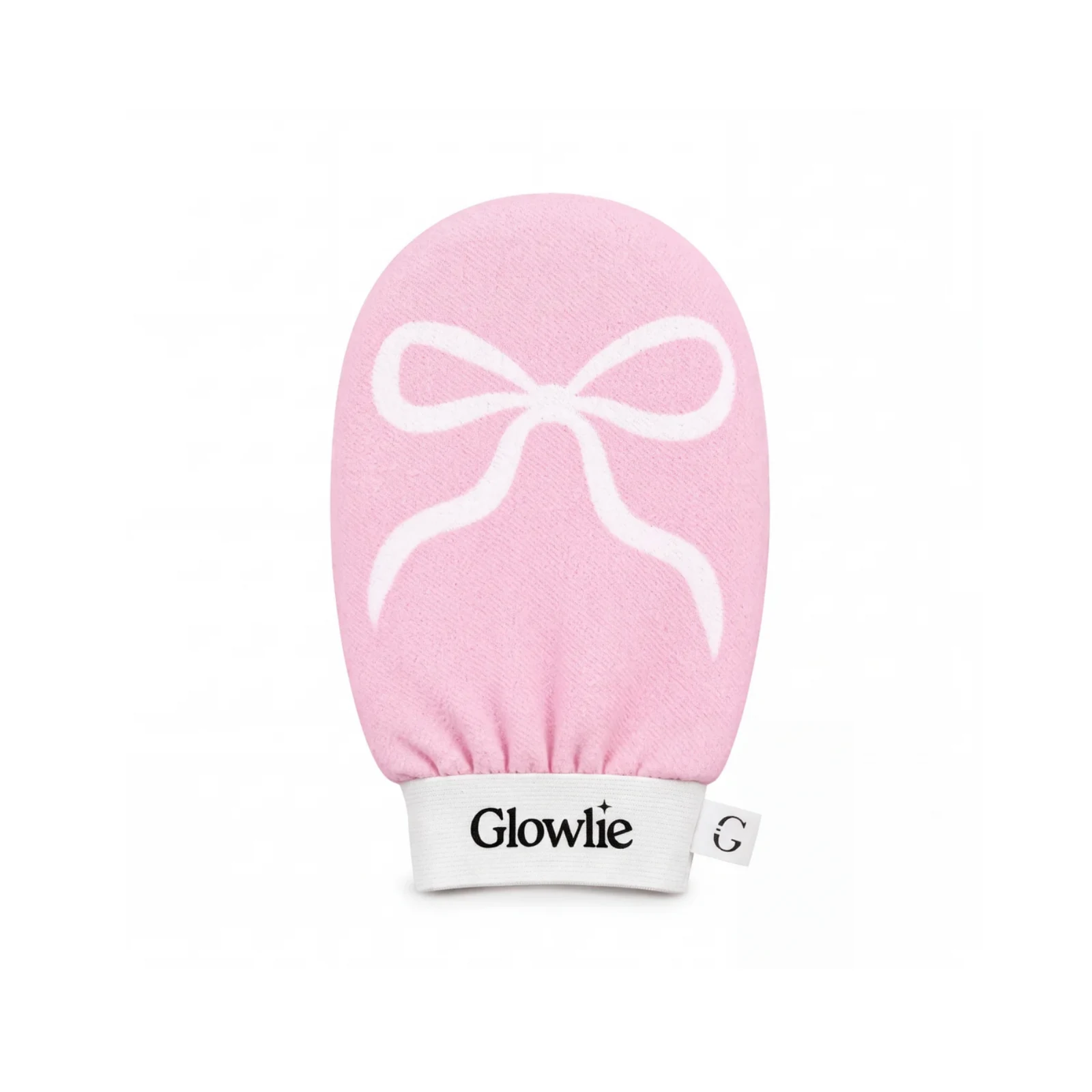
Glowlie Exfoliating Glove
Helps remove superficial dead skin cells and leave the skin feeling smoother and softer.
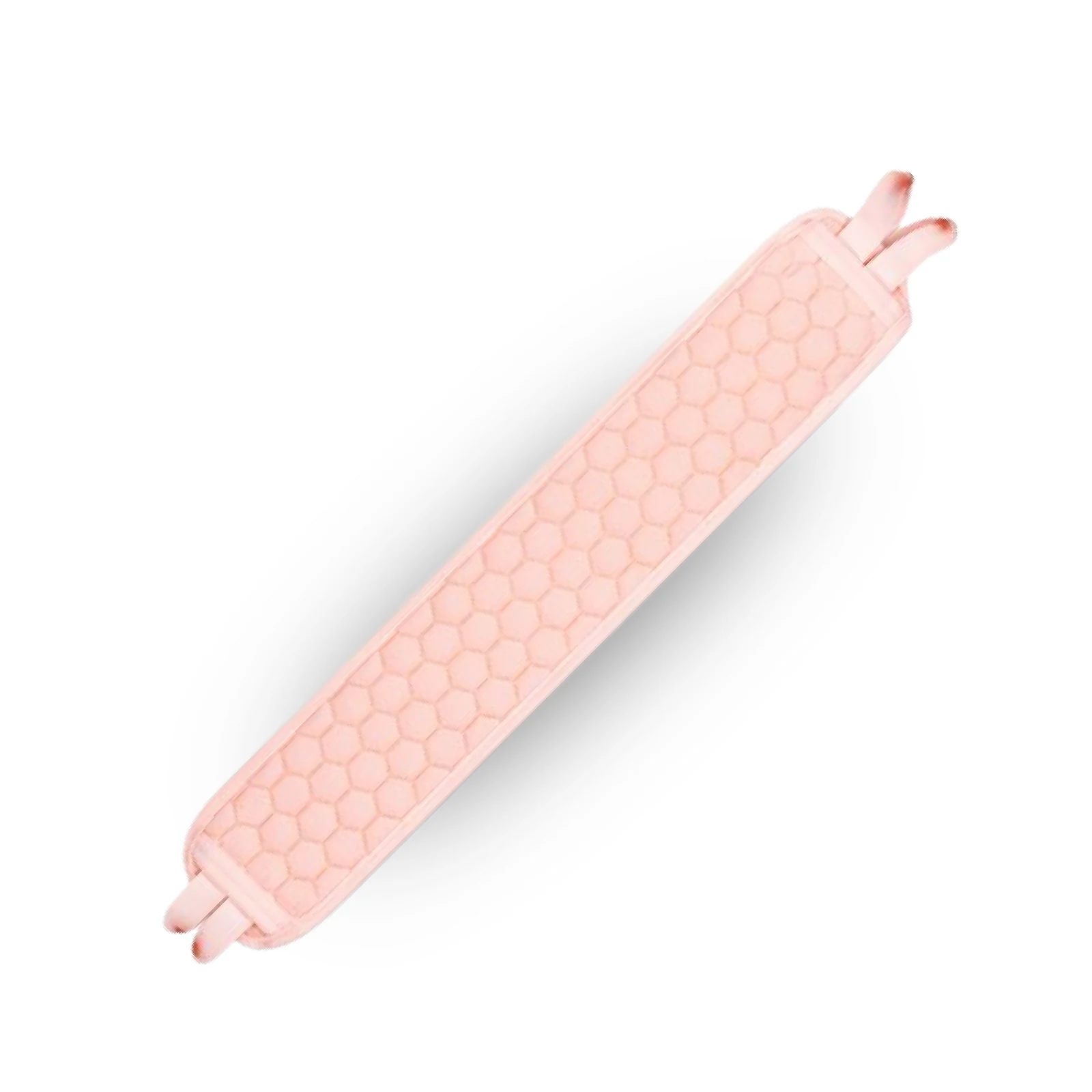
Glowlie Exfoliating Backscrubber
Makes it easier to gently exfoliate hard-to-reach areas like your back.
Calmer skin takes time.
Body acne usually doesn’t clear overnight. With appropriate treatment and consistent care, your skin can gradually improve. How quickly varies per person and depends on severity of acne, among other factors.
0–4 weeks
Your skin is adjusting to the treatment. It’s usually too early to properly assess results.
4–8 weeks
With effective acne treatment, you may gradually notice improvement, such as fewer new spots forming.
8–12 weeks and beyond
The skin can continue to improve. Sometimes several months of treatment are needed before results become clearly visible.
Medical sources for this skin guide
This skin guide provides general information and does not replace medical diagnosis. If you have persistent, painful or inflamed skin issues, please consult your GP.
- Thuisarts · Acne
- American Academy of Dermatology · Back acne
- NHS · Acne
- American Academy of Dermatology · Acne
- American Academy of Dermatology · Acne caused by friction and sports gear
- American Academy of Dermatology · Keratosis pilaris: overview
- American Academy of Dermatology · Preventing razor bumps
- Guideline Database · Acne vulgaris: skincare advice