
Keratosis pilaris: more than just rough skin
Keratosis pilaris (KP), also known as ‘chicken skin’, is a common and harmless skin condition. It occurs when keratin builds up and blocks hair follicles, causing small, rough bumps. These are mostly seen on the upper arms, thighs and buttocks. The skin may feel grainy and sometimes appears red or dry.
How to recognise keratosis pilaris
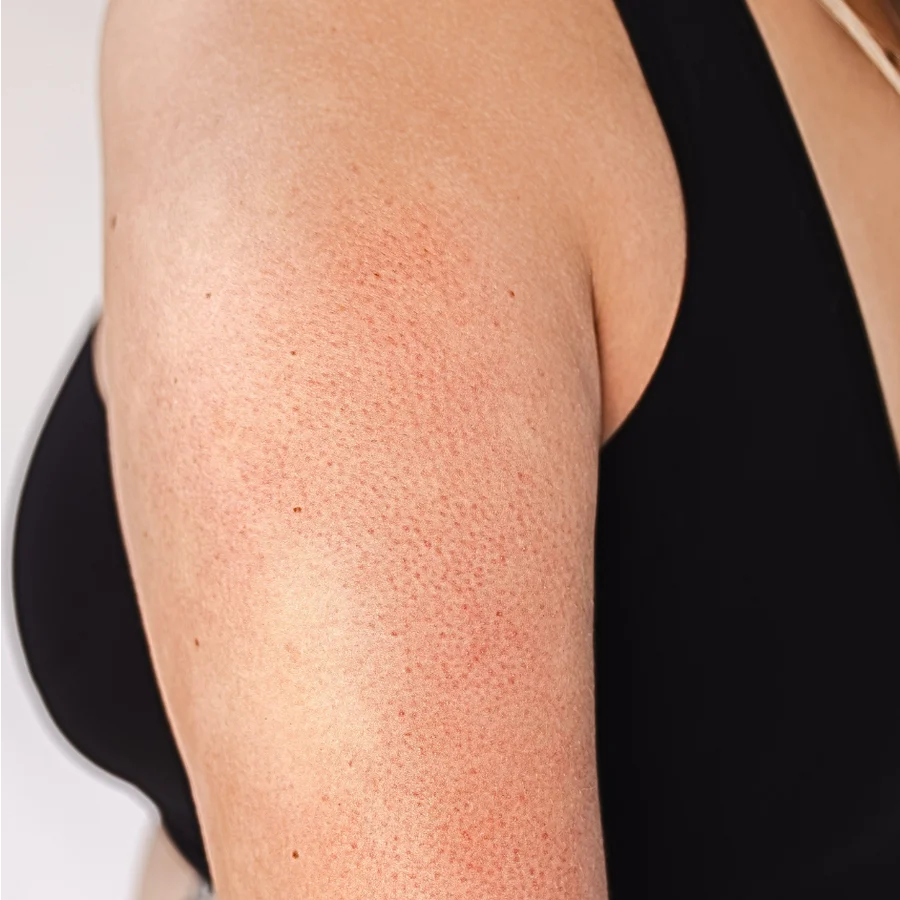
Keratosis pilaris is identified by small, rough bumps and a grainy skin texture. The bumps can vary in colour and often appear where the skin is drier.
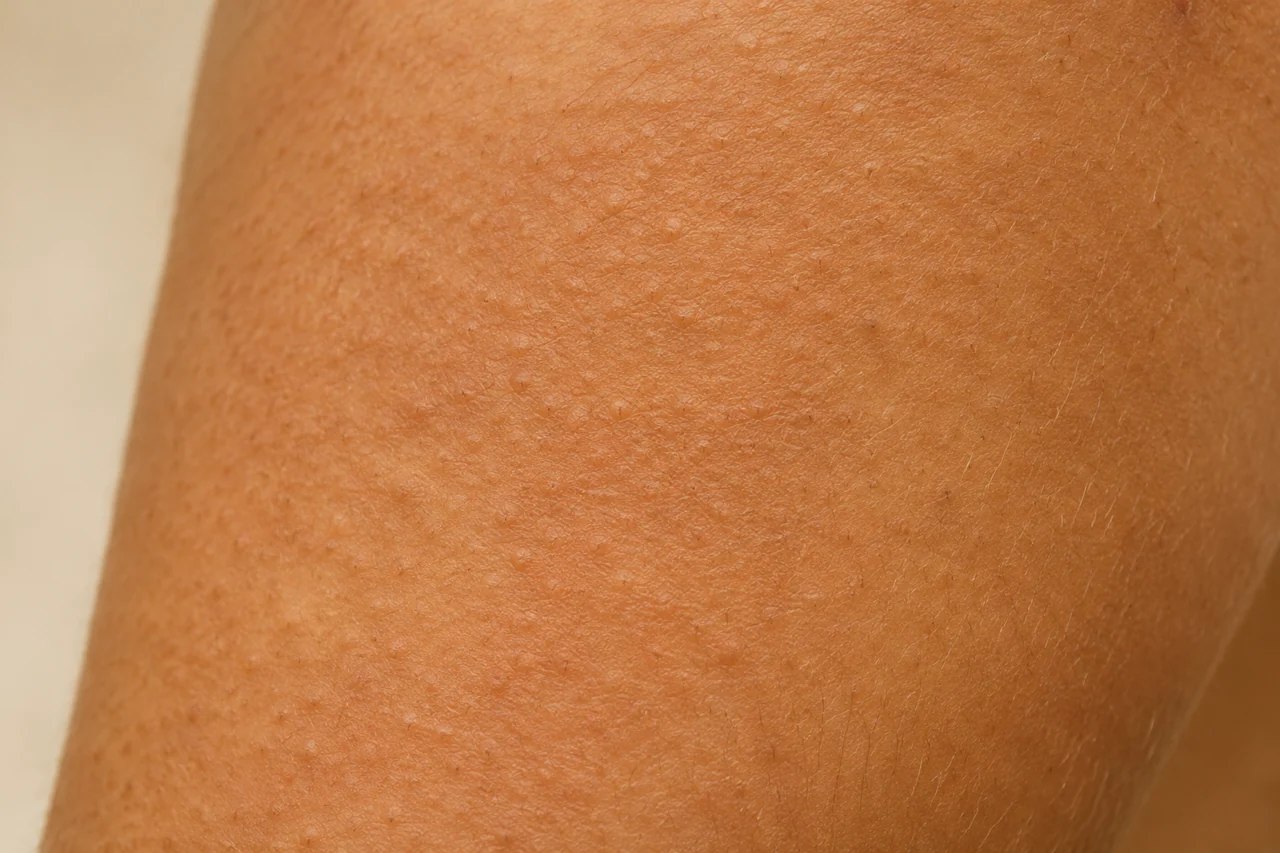
Small, rough bumps
Tiny bumps close together that feel like goosebumps or sandpaper.
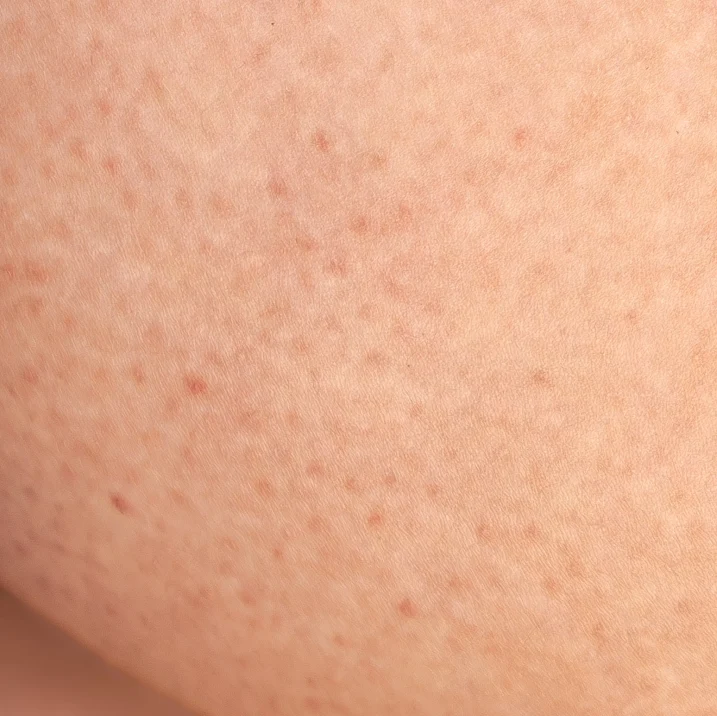
Red or dark spots
The bumps may be skin-coloured, red, pink or darker than the surrounding skin.
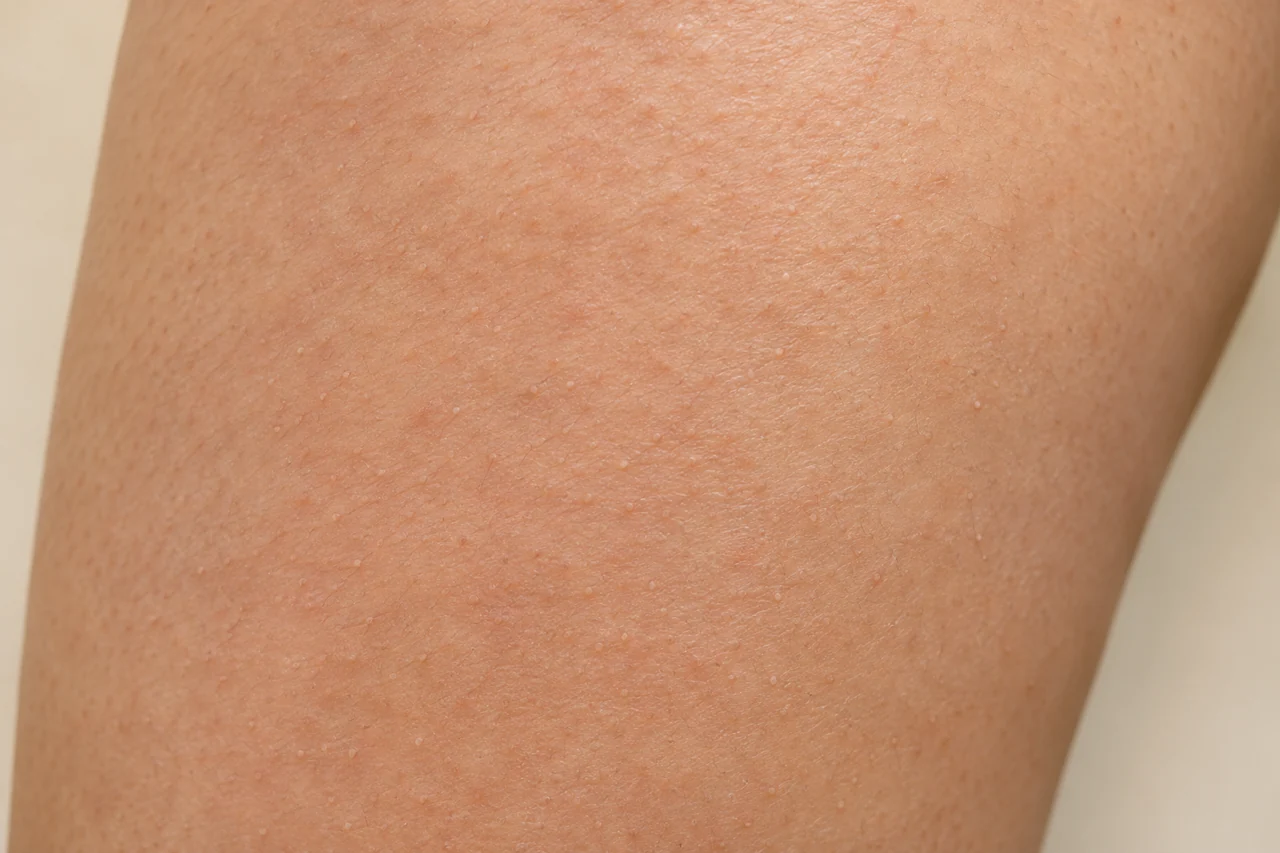
Dry, grainy skin
The skin often feels dry and rough, even when few bumps are visible.
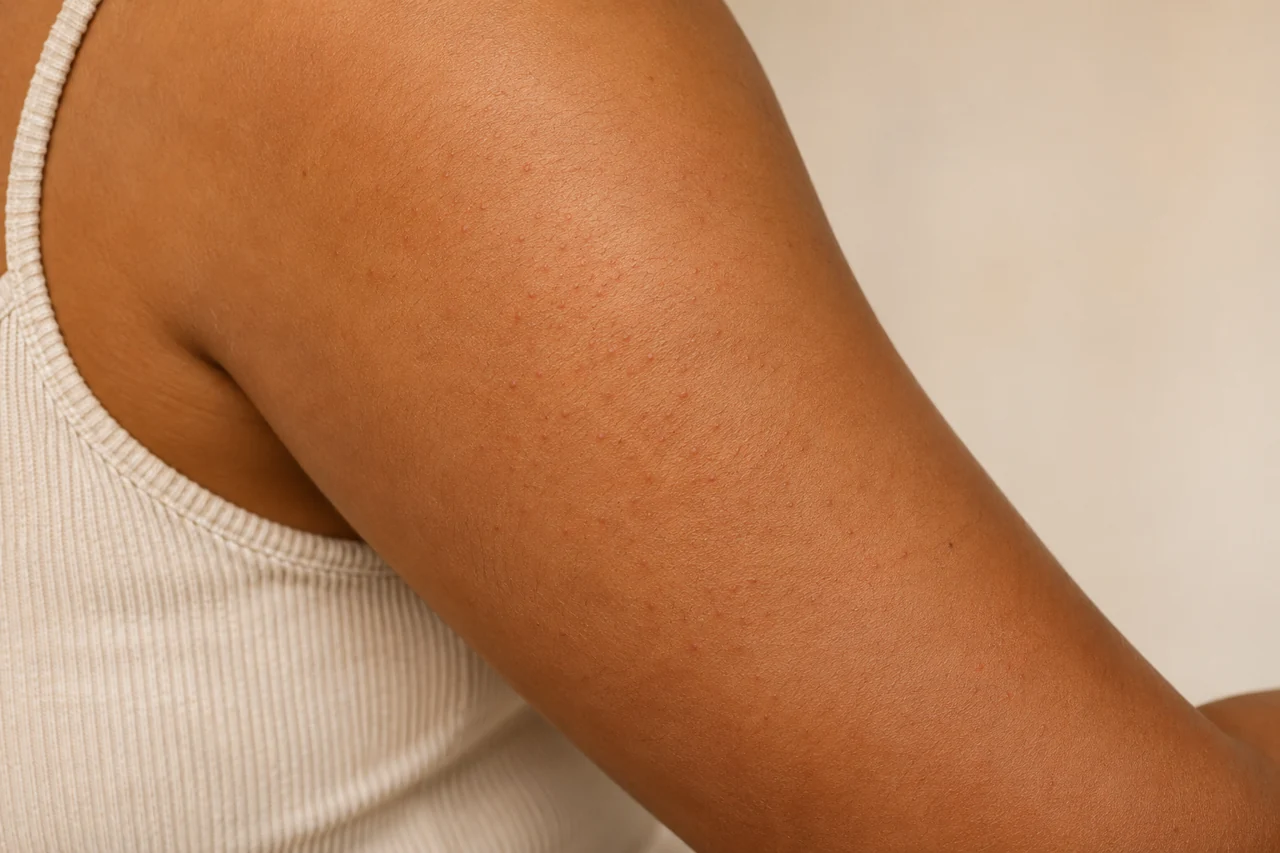
Mostly arms, legs and buttocks
KP mainly appears on the upper arms, thighs and buttocks but can develop elsewhere.
How does keratosis pilaris develop?
Keratosis pilaris occurs due to keratin build-up around hair follicle openings. The exact cause is unclear but genetics likely play a role; dry skin can make the bumps more obvious. KP is not contagious.
Keratin build-up
Keratin is a protein naturally found in your skin and hair. In KP, dead skin cells with keratin are not shed properly, accumulating in hair follicles.
Blocked hair follicles
The keratin and dead cells form tiny plugs blocking hair follicle openings, causing the characteristic bumps and a rough, grainy skin feel.
Genetic predisposition
KP often runs in families. Genetic factors affect how prone someone is to it.
Dry skin
A dry skin can make the rough texture and bumps more noticeable. KP may appear more prominent in winter.
Is it really keratosis pilaris?
Not every bump is keratosis pilaris. Some skin issues look similar but develop differently.
Body acne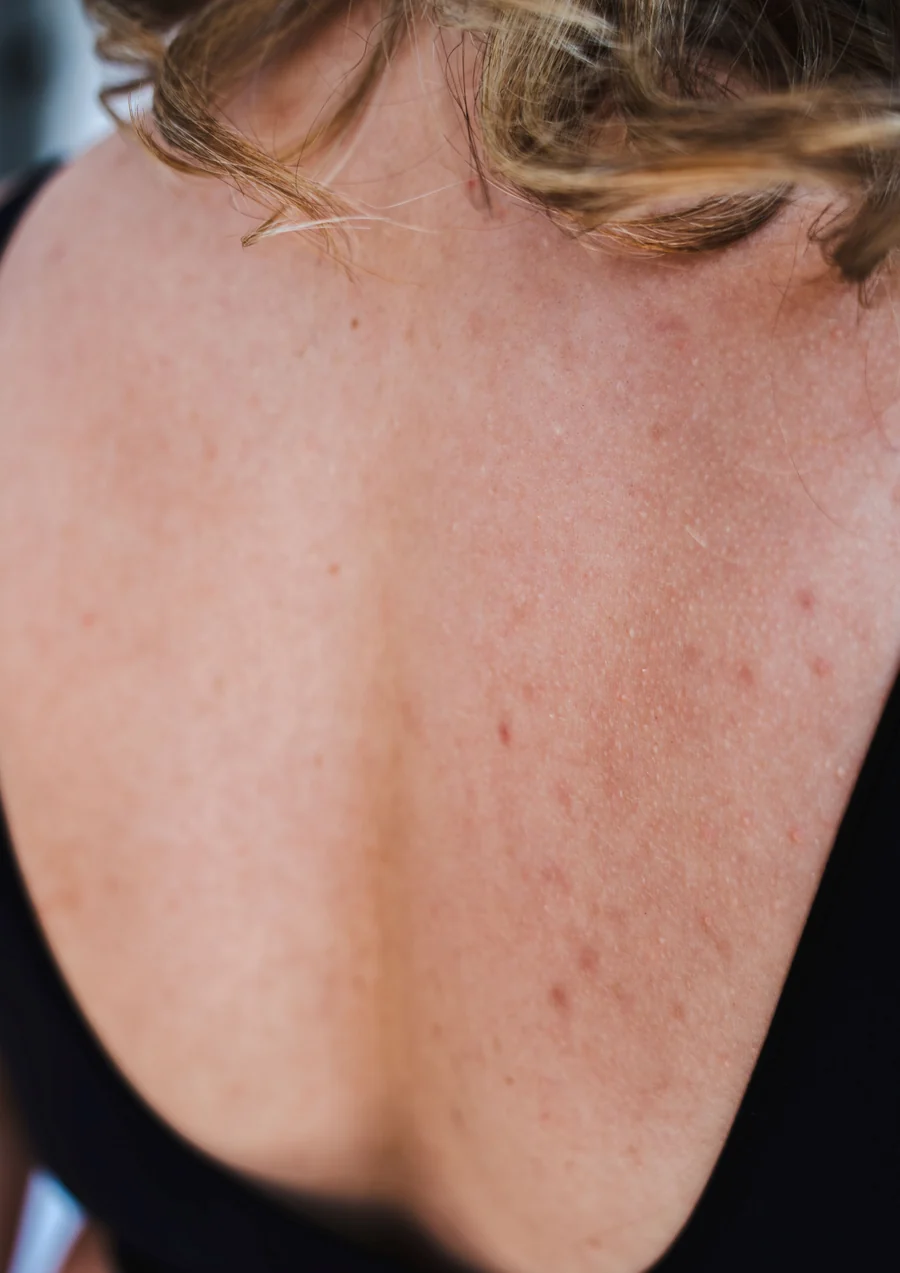
With body acne, hair follicles get blocked by oil and dead skin cells, leading to blackheads, red pimples, and inflammation. KP usually causes small, even, rough bumps without the typical blackheads or white-headed pimples. Both conditions can occur together.
All about body acneStrawberry legs & shaving irritation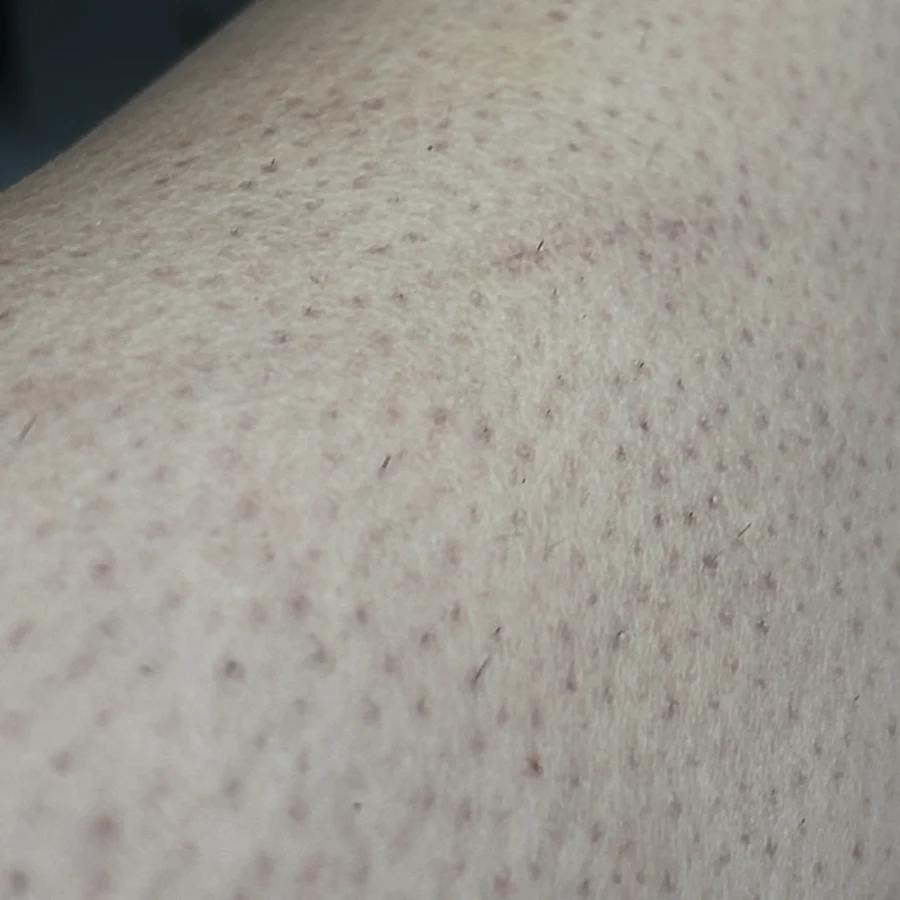
Razor bumps often appear after shaving when hairs grow back into the skin, causing red, itchy, or sore bumps. KP isn’t linked to shaving and can appear where you never shave.
All about strawberry legs & shaving irritationWhat helps with keratosis pilaris?
Keratosis pilaris is harmless and doesn’t require treatment. To reduce rough skin, regular moisturising and gentle exfoliation can make skin feel softer.
What helps?
Exfoliate gently
Gentle exfoliation helps remove loose dead skin cells and product build-up. Stop if irritation occurs.
Moisturise daily
Use a nourishing cream, for instance containing urea, lactic acid, or salicylic acid.
Shower briefly with lukewarm water
Avoid hot water and use a mild, fragrance-free cleanser to prevent dryness.
Be consistent
A steady, gentle care routine helps keep skin soft and cared for over time.
What should you avoid?
Avoid harsh scrubbing
Too much friction can irritate the skin and make KP bumps more visible.
Scratching or squeezing
This can cause wounds, irritation, and discolouration.
Avoid drying products
Avoid strongly scented products and drying alcohols like Alcohol Denat. to prevent irritation.
Don’t over-exfoliate
Excessive exfoliation can irritate. Avoid using a scrub glove and exfoliating acids in the same routine.
How can exfoliating help?
Without exfoliation
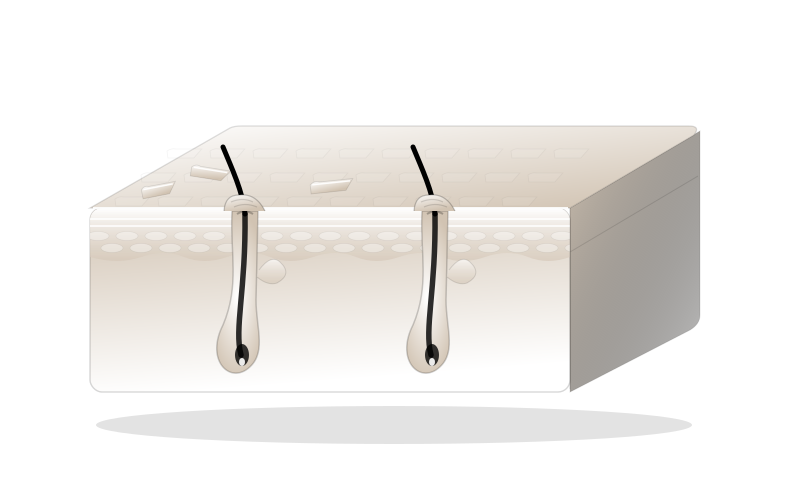
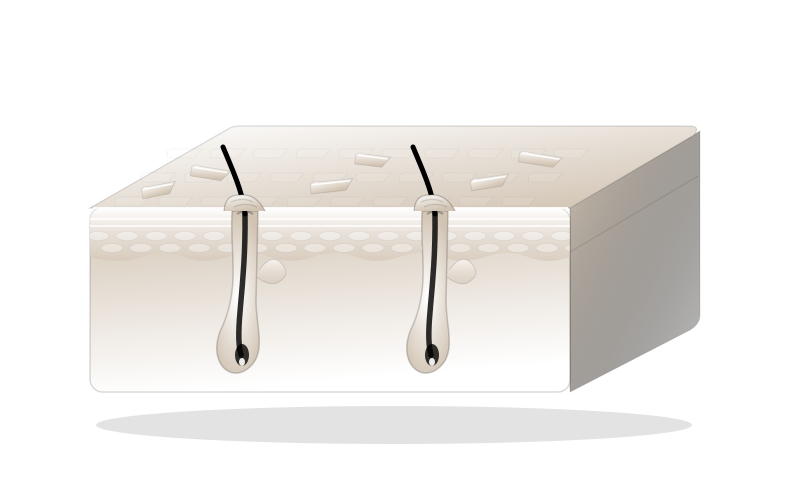
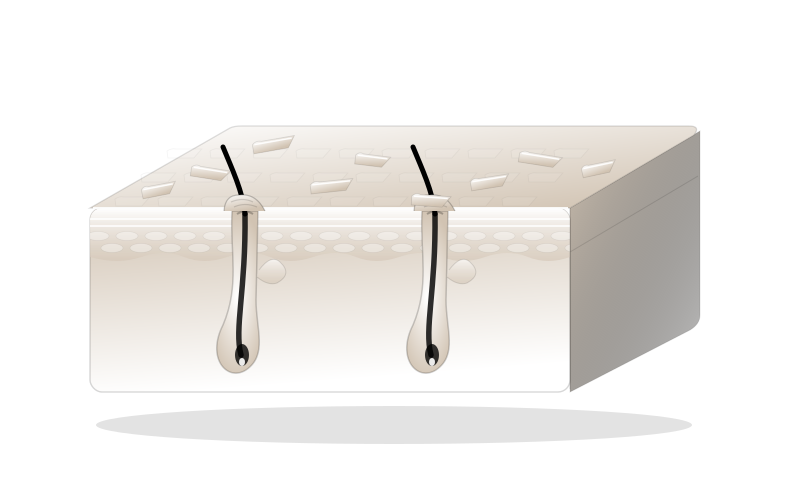
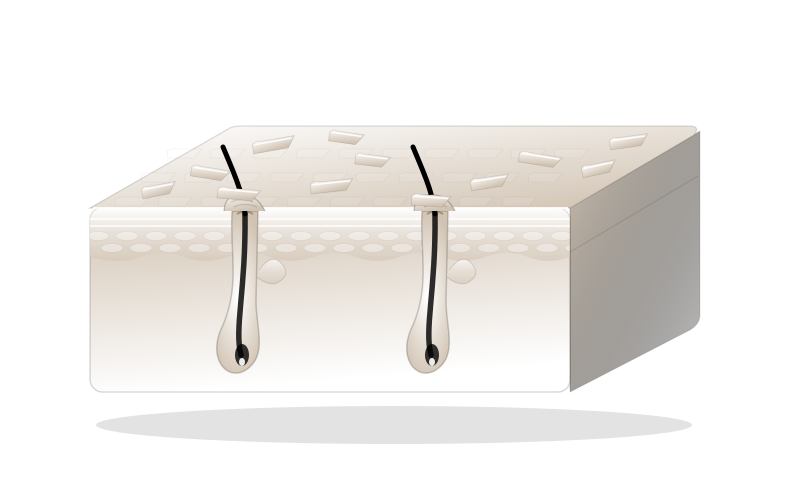
With gentle exfoliation
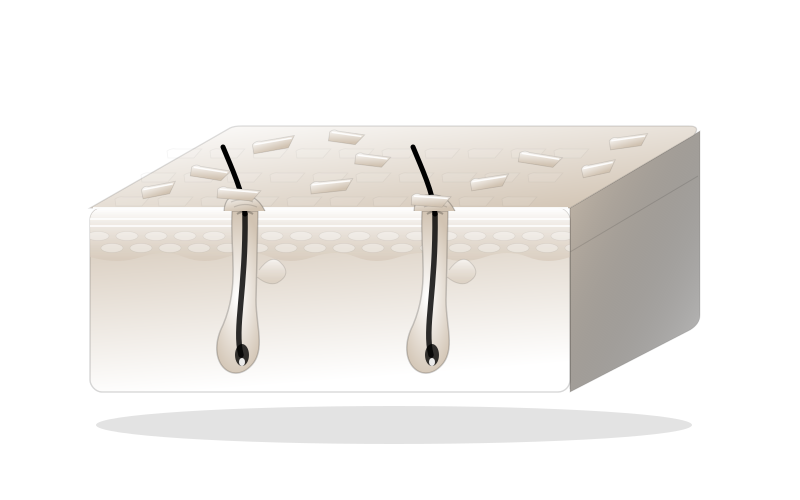
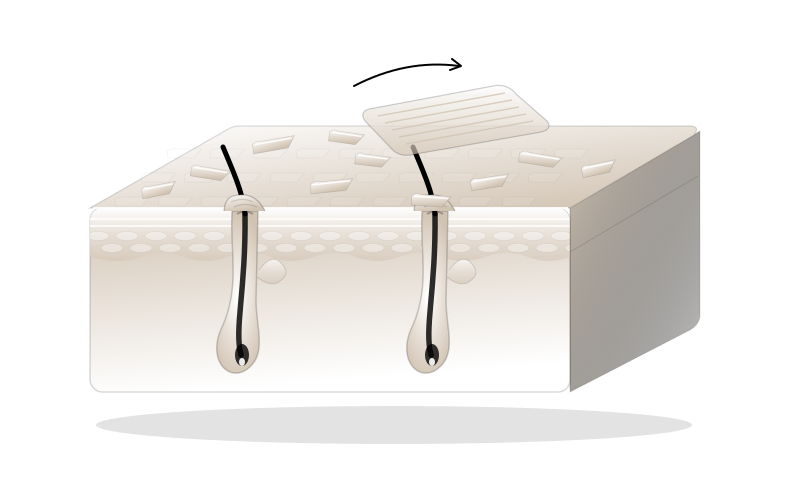
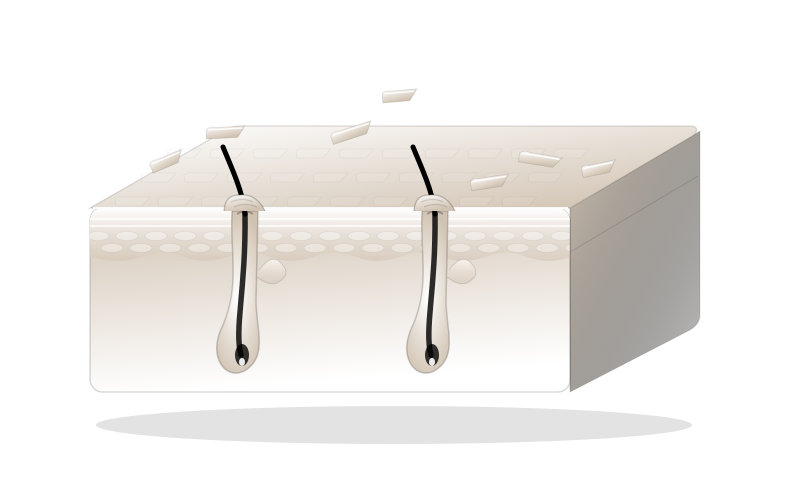
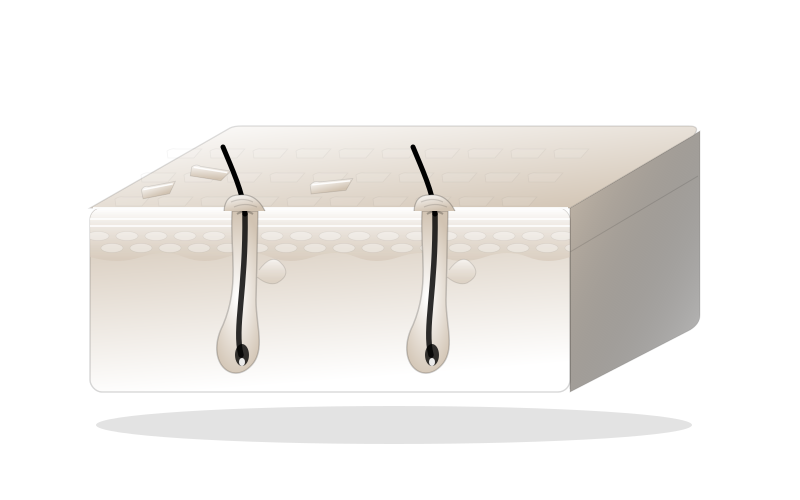
Removes dead skin cells
Helps gently loosen superficial, built-up skin cells.
Smoother skin texture
Can make rough skin feel softer and smoother.
Supports an appropriate routine
Can contribute to a more comfortable skin feel when combined with moisturising care.
Exfoliate your body from head to toe
With Glowlie’s exfoliating products you can exfoliate various body areas.
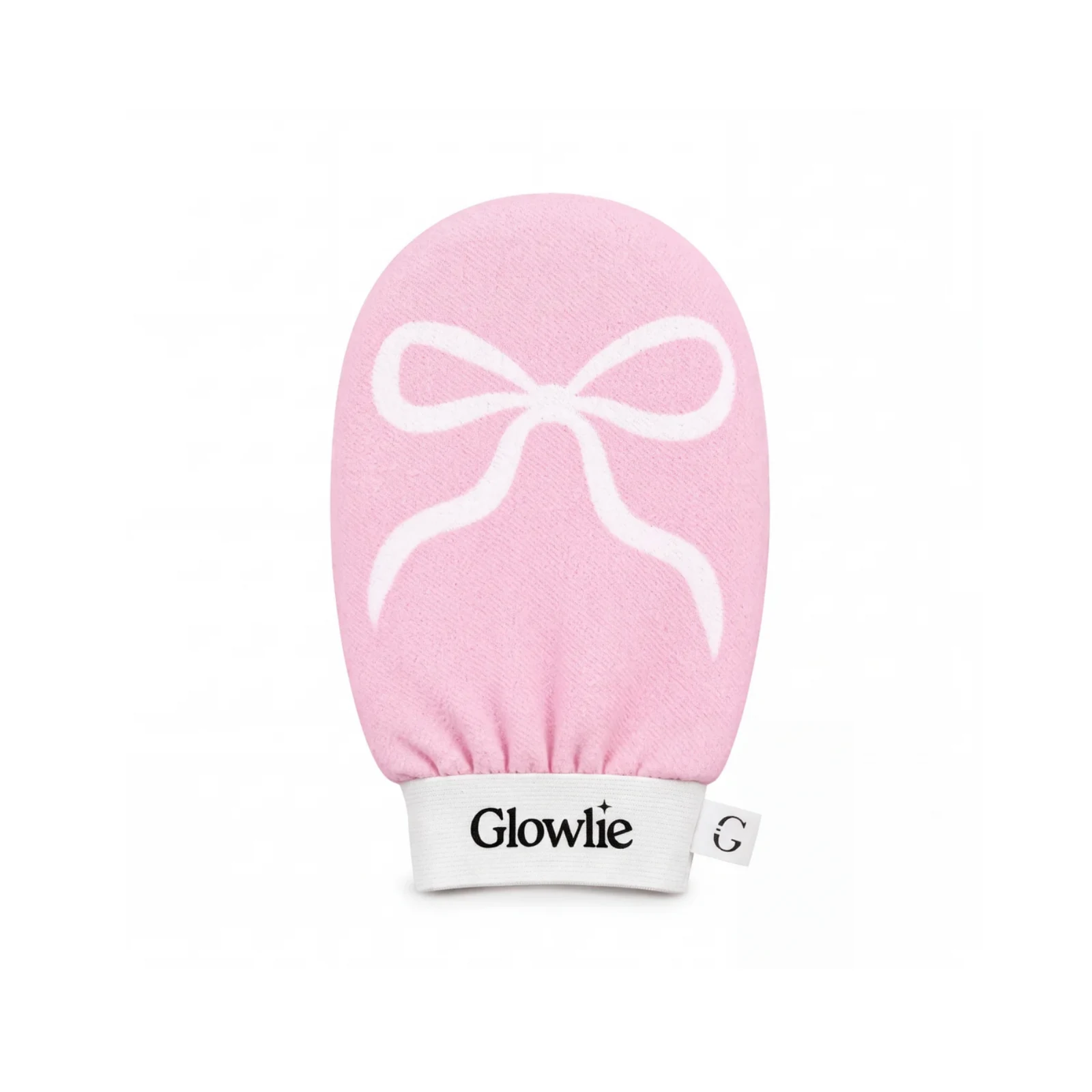
Glowlie Exfoliating Glove
Helps remove superficial dead skin cells and leave the skin feeling smoother and softer.
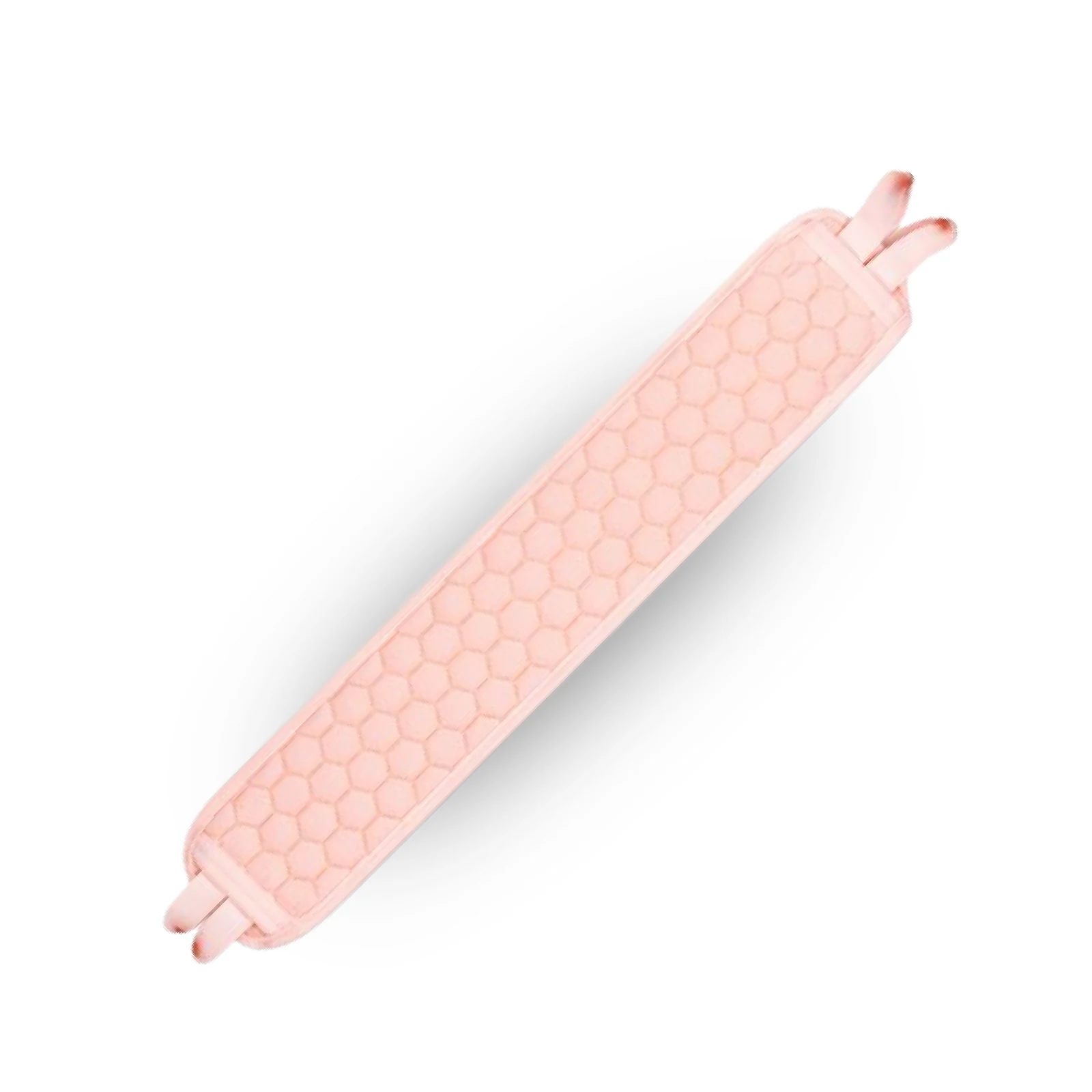
Glowlie Exfoliating Backscrubber
Makes it easier to gently exfoliate hard-to-reach places, such as the back.
Smoother skin takes time.
KP may persist for a long time and does not always disappear completely. Consistent, appropriate care can improve skin texture. Speed varies per person.
0–2 weeks
Moisturising care can reduce dryness and make skin feel softer. The bumps themselves may barely change yet.
2–6 weeks
With suitable care, rough bumps may gradually become less noticeable. Results vary per person.
6 weeks and beyond
Skin texture can continue to improve. KP may persist long-term; ongoing care is often needed to maintain results.
Medical sources for this skin guide
This skin guide provides general information and does not replace medical diagnosis. If you have persistent, painful or inflamed skin issues, please consult your GP.